
SER President’s Message – April 2026
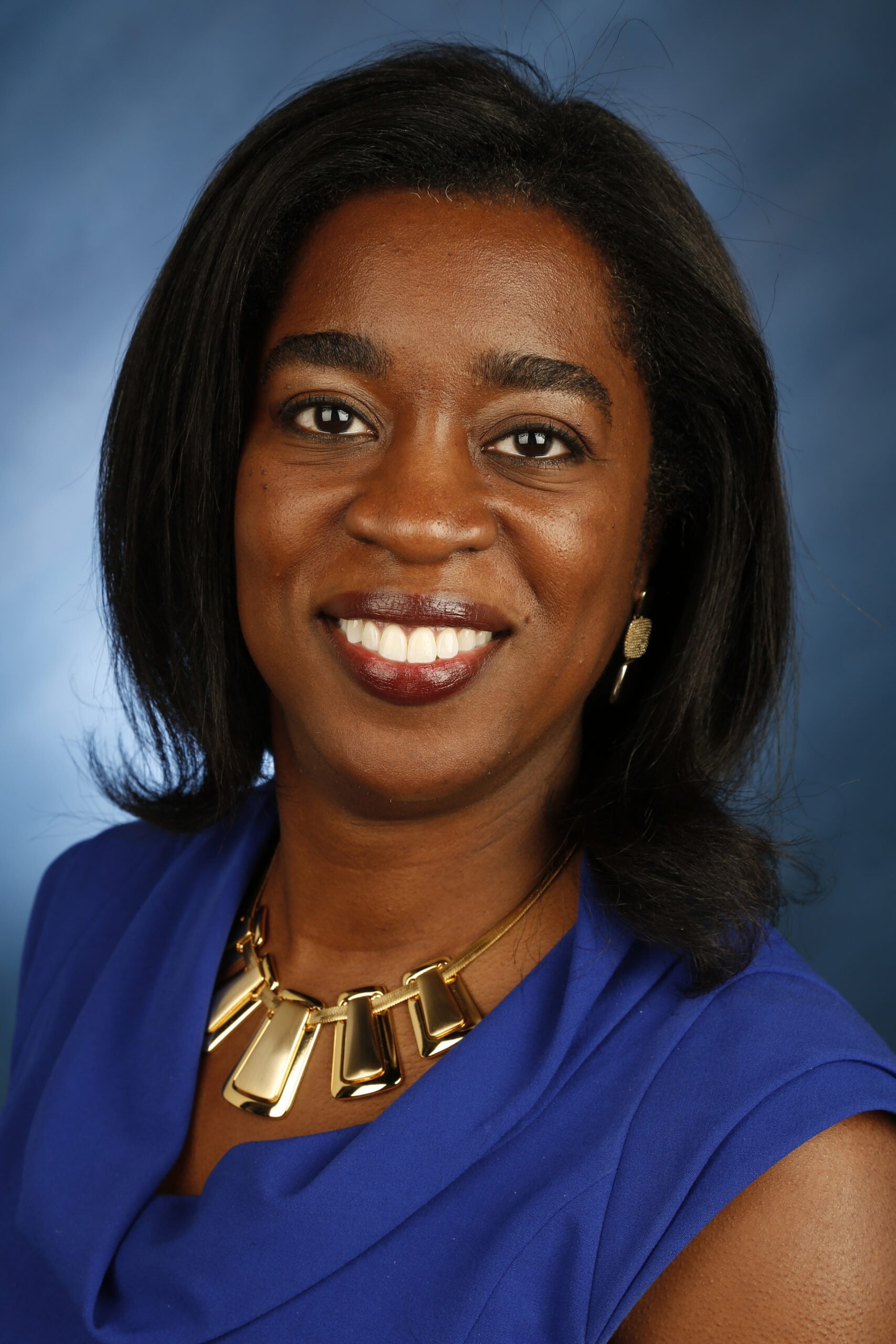
Thank you to everyone who joined us for the 2026 Mid-Year Meeting. It was a wonderful success, and I am very grateful to our keynote speakers, session organizers, presenters, and poster presenters—every session was truly outstanding. I also extend congratulations to our poster award winners.
Now, we turn our attention with excitement to our Annual Meeting in Phoenix. Several volunteer opportunities are still available, and I sincerely thank all of our volunteers—our meetings would not be possible without your time, energy, and commitment.
In the fall newsletter, I shared that we were working to update the SER advocacy policy. I’m pleased to report that the revised policy is now posted on our website and available here. While it may not go as far as some members of our organization had hoped, it does allow SER to support initiatives that align with our mission and values, an important step forward for our organization.
We often say things like, “time has really flown by,” “time got away from me,” or “where has the time gone?” Since January, that feeling has been especially strong—as these months have been filled with deadlines, events, and activity. But it’s worth pausing to ask: what is time, really? Merriam-Webster defines time as “the measured or measurable period during which an action, process, or condition exists or continues.”
Unlike most resources—money, food, housing, or even opportunity—time is the one thing every person on this planet receives in equal measure each day. Twenty-four hours. No more, no less. Rich or poor, highly educated or not, regardless of where we were born or how we live—each of us gets the same 24 hours.
The difference lies in how we choose to spend them.
There were exactly 90 days between January 1 and April 1, 2026—90 days, 2,160 hours, 129,600 minutes, or 7,776,000 seconds. How did you spend that time?
Those of us working in academia, public health, and science are under tremendous pressure to do more—with fewer resources and in less time—and to change. Change how we educate. Change how we conduct research. Change our values, budgets, systems, and structures. Time and change are two small words that often feel at odds with one another. We say, “The time for change is now,” yet also remind ourselves that “change takes time.” And while the time for change is always now, later can sound much more appealing—especially when we are the ones being asked to change.
Time and change can bring anxiety and stress. It’s no surprise that entire industries are built around time management and change management. Time keeps moving, and change keeps coming.
So I ask again: how did you spend the last 90 days? Did you spend your time on what truly matters to you—or on what others told you should matter? Did you invest your time in making changes that are important to you? Those changes might be related to your work, your family, your friends, your health, your colleagues, your community, or something else entirely.
And how will you spend the next 90 days?
I know that I want to spend my time on what matters most to me. Time does fly, and every second counts. In these turbulent times, I’m reminded of the serenity prayer and that we cannot change others, but we can change ourselves. We can change our attitudes and perspectives, our thoughts and assumptions, our prejudices, our words, our actions and behaviors, our environments, and the external things within our control. We may not be able to change everything—but we can change something.
Yes, change is coming fast and furious. But we are not helpless or hopeless. We all have the same amount of time each day, and we all have the capacity to make change. Use your time wisely. Make changes.
I hope you choose to spend some of your next 90 days with us, and look forward to seeing you June 23–26, 2026, at our Annual Meeting in Phoenix, Arizona—only 84 days away.