
Call for Submissions Join the Action: SER Meeting Involvement Guide
Whether you’re new to SER or a returning attendee, the annual meeting offers many ways to contribute to the field of epidemiologic research. Explore the opportunities below to present your work, share your insights, and engage with colleagues who are advancing the science of epidemiology.
Annual Meeting
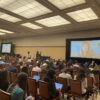
Held in person each June, the SER Annual Meeting rotates locations across the U.S. and brings together epidemiologic researchers to share findings, build connections, and advance the field.

Mid Year Meeting
Held virtually each February, the SER Mid Year Meeting offers a focused opportunity for epidemiologic researchers to connect, share work, and engage in scientific exchange from anywhere.
Individual Submissions
Submit your work as a single-author contribution to be considered for presentation. These formats support individual contributions to epidemiologic research and professional development at SER.
Abstract
Submission
Submit your research abstract to be considered for oral or poster presentation, based on topic relevance and presentation format.
Student Dissertation Workshop
A mentoring forum for doctoral students to receive feedback on their dissertation research from faculty and peers.
Course Development Workshop
A hands-on session for faculty to refine epidemiology course content, share teaching strategies, and collaborate with peers.
Collaborative Session Submissions
Propose a session featuring multiple presenters around a shared theme or topic. Collaborative submissions are designed for panels, symposia, workshops, or group discussions that highlight diverse perspectives.
Symposia Proposal
Curated sessions showcasing research, innovation, and collaboration across epidemiology and public health disciplines.
Breakfast Proposal
Morning gatherings designed for networking, informal discussion, and community-building over shared meals.
Lunchtime Proposal
Midday forums for focused dialogue, special interest topics, and peer engagement during lunch breaks.
Professional Development
Skill-building opportunities to support career growth, mentorship, and leadership within the SER community.
Pre-Conference Workshop
Hands-on training sessions offering deep dives into methods, tools, and emerging topics before the main event.
Presentation Policy
To ensure a diverse and inclusive program, SER limits each speaker to a maximum of two podium presentations per Annual Conference. This includes symposia, abstract-driven talks, and roles such as Chair or Discussant. Learn more about the policy and how it supports broader participation.